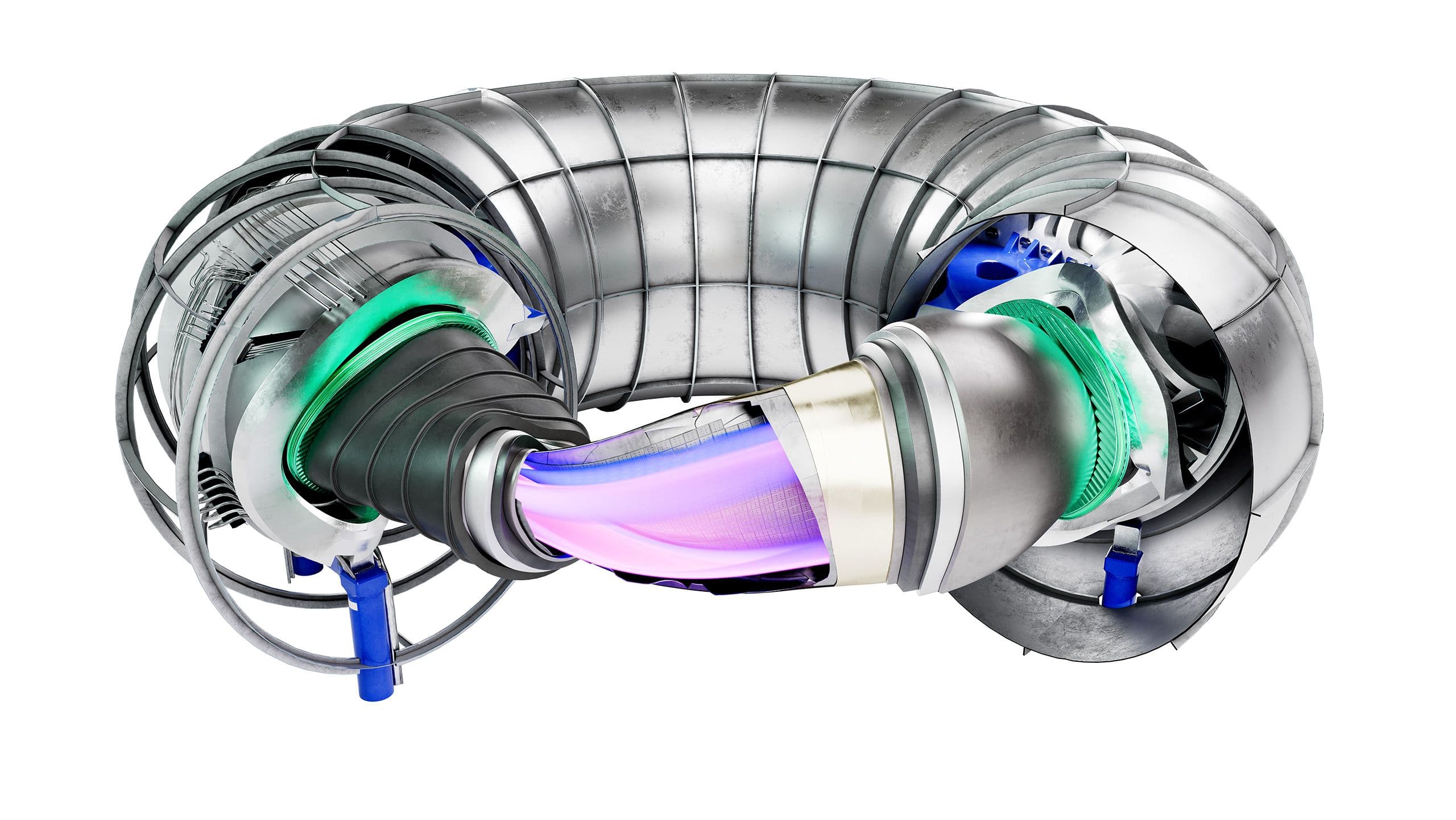
Why we invested in CircuitHub
by Sten TamkiviSolving society’s biggest problems with tech means you can not be afraid of hardware. At Plural we’ve backed founders building robots that can address critical labour shortages and transform invasive medical procedures, and defence startups building new systems that can safeguard our democracies.
When you spend time around hardware founders, you’ll be familiar with one particular complaint that surfaces again and again. They can invent a product that works, develop a sensible manufacturing plan but then get held up waiting three months on a single component or a batch of prototype circuit boards out of Shenzhen that may or may not work, and that they can’t source anywhere else. Electronics supply chains are rigid, slow and clumsy. And typically located far away.
Printed circuit boards (PCBs), the devices that connect chips and other parts to work together, are found in pretty much every electronics product. PCBs make up a $100bn market that’s predicted to grow to more than $127bn by 2031.
People further away from this business have a mental image of large hyperautomated factories spitting out millions of mobile phones, but small batch assembly lines that are needed for prototyping and many more specialized products remain highly manual. Expensive labour costs in the US and Europe have seen 90% of production shift to Asia. The US and Europe controlled about 46% of the global PCB market in 2000, but by the 2020s, their combined share collapsed to roughly 6%.
On the other hand, 95% of electronics projects involve fewer than 10,000 units. The overwhelming majority of hardware work in the world is small-batch, iterative and prototype-heavy. But the manufacturing industry is structured for the opposite - mass production, long runs, manual setup every time you want to produce a different board and supply chains that prioritise volume over speed.
The net effect is that most countries on the planet can’t produce smaller quantities of this vital component quickly and affordably on home soil. The huge economic and geopolitical pressure to reshore manufacturing creates a genuine market need to rethink the model.
Founded by Andrew Seddon and Rehno Lindeque, CircuitHub has developed automated robots that flip the economics of PCB manufacturing, making it economically viable to produce anything from a single board to thousands on the same system. Its flexible robotic assembly system can produce anything from a single prototype to batches of 10,000 units across dozens of different designs simultaneously, with a standard three-day turnaround. And often for next day delivery.
After launching in the UK, the company is now profitable,scaling its first robotic factory in the US, serving huge customers as it unlocks rapid prototyping and innovation at speeds that weren’t possible before. Two million boards and 133 million parts placed later, it’s now the fastest-growing electronics manufacturer in the US.
A new production paradigm
Traditional smaller batch PCB assembly lines are not optimised for flexibility: they require manual setup and recalibration for every new design, which makes them economically irrational if you just want to print a few boards. Ordering one, two or ten few-dollar boards can easily run into thousands of dollars of cost, just for the clumsy manual overhead.
CircuitHub replaces linear production with a flexible robotic system called the Grid. It doesn’t need to be manually recalibrated to produce different circuit board designs: you simply upload the next design file, and the system reconfigures to build.
This creates a completely new category that hasn’t existed before: rapid, small batch manufacturing that changes how teams can build electronic products. Instead of designing something and then ordering sample boards once every three months, CircuitHub makes it economically viable for every hardware engineer to order a single board at the end of a working day and have it in their hands for testing the next morning.
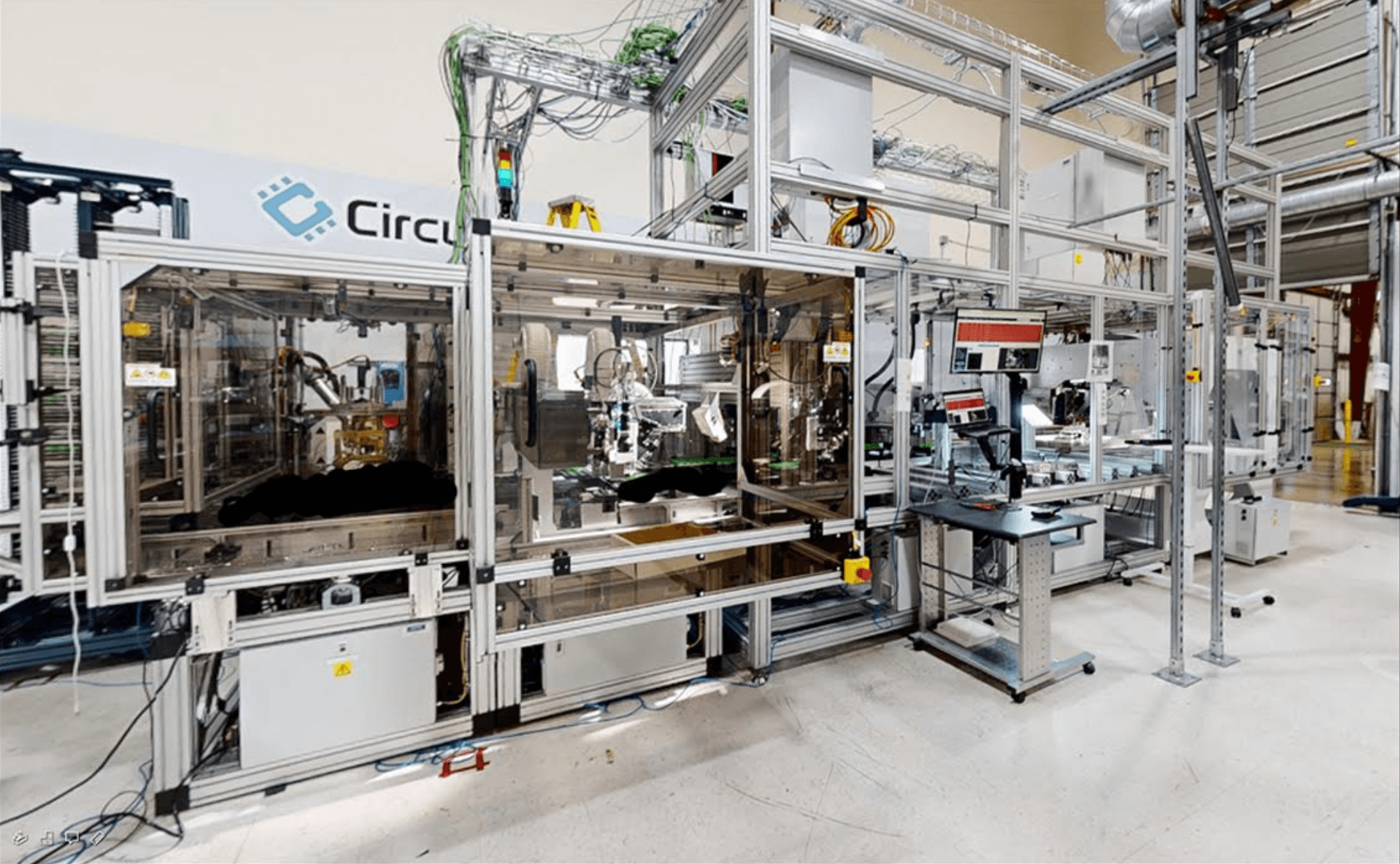
This new prototyping paradigm has attracted some of the world’s largest technology companies like Tesla that are known for extremely fast speeds of innovation to sign up as clients.
Now, CircuitHub is seeing that its large customers find its technology so easy to use that they question how soon they need to switch to a legacy provider, and are ramping up to making thousands of boards with the Grid.
Why has no one automated this before?
This flexible production system is driven by a complex software stack that translates digital design files into assembly sequence logic, interprets huge amounts of data from its sensors, as the system takes hundreds of thousands of photos of single parts every day.
This is powered by huge recent advances in machine learning, machine vision and compute bandwidth that make handling this complexity and quantity of data possible at a viable level of cost.
CircuitHub’s technology also comes from a team who have been working in this space for over a decade. The company began life 13 years ago as a software layer for handling PCB design files for clients, then expanded to a marketplace connecting hardware designers with manufacturers, before developing its own automated robotics system to just get the customers’ jobs done end to end.
By following what their customers want, CircuitHub has developed technology that unlocks whole new unit economics for users, with CEO and founder Andrew showing the calm confidence of an entrepreneur who’s walked the hard yards to find product market fit.
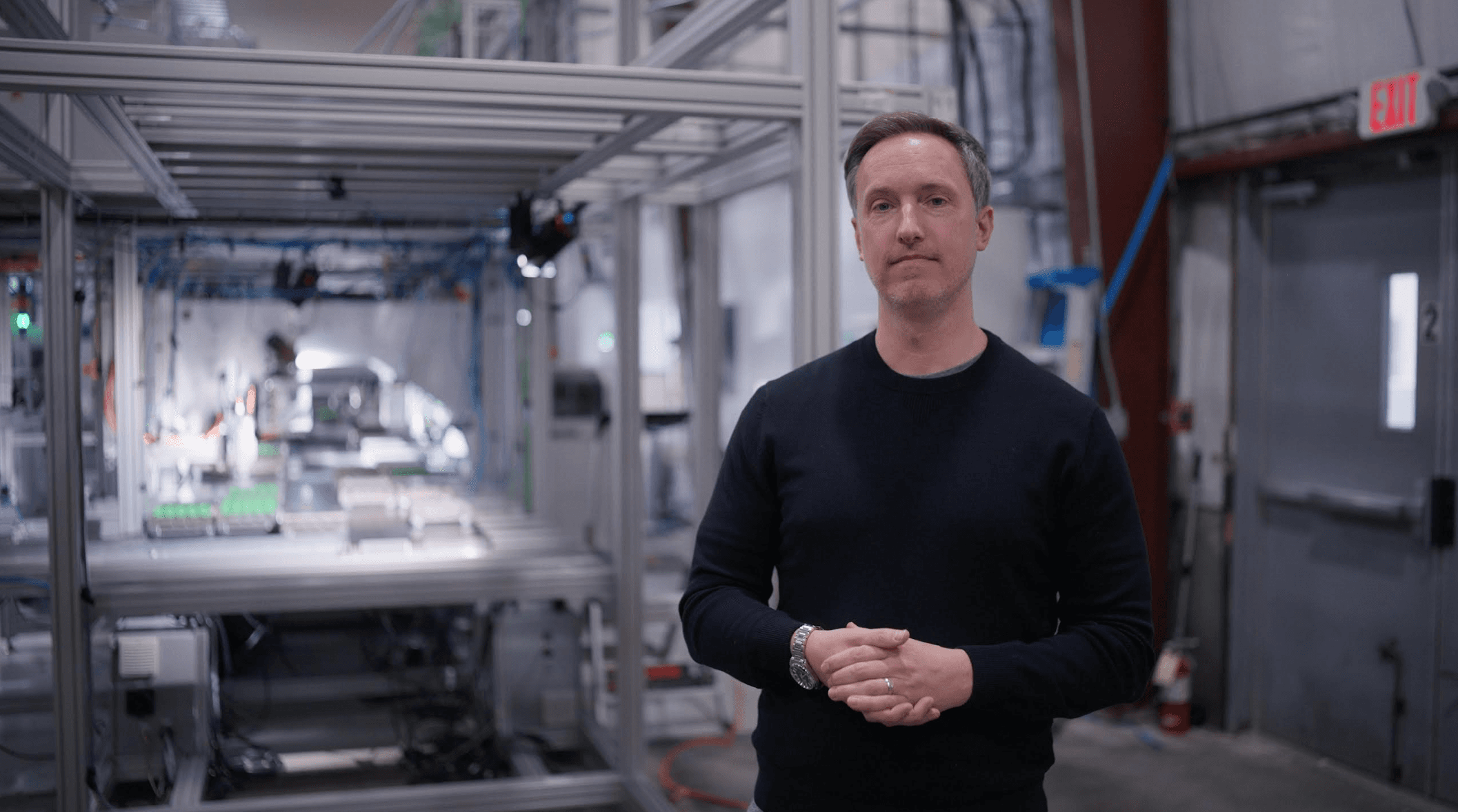
His background spans embedded electronics, motion-capture hardware, and product development - including, in one of my favourite founder details, designing the facial motion-capture rig worn by Jim Carrey for A Christmas Carol at Oxford Metrics Group.
Andy has hired a team of high-calibre technical and operational talent from Jaguar LandRover to the US Navy Seals.
Reshoring manufacturing
CircuitHub was founded in the UK and its engineering team is still UK-based, but the company opened its first automated factory also in the US to serve the strong customer pull in the country.
At the same time, governments and companies in Europe and the US have been rebuilding domestic capacity, driven by geopolitical pressure, fragile supply chains, and the need for technological sovereignty. CircuitHub's model sits directly in the path of that shift. Every country, or why not every city could have their own robotic electronics factory if their local industry needs it nearby.
When I think about the bottlenecks European hardware companies face on hardware iteration, CircuitHub starts to look less like a supplier and more like shared infrastructure. The new round accelerates expansion across the US and around Europe, where CircuitHub's Cambridge R&D roots and growing London team give it a natural foundation.
Future iterations could include going from robotic assembly to fully automated fabrication, seeing CircuitHub capture even more of the value chain.
This longer-term vision is the one that genuinely excites me. AI is making electronics design accessible in the same way it's made writing code accessible, which raises an obvious question: when a curious schoolkid or a first-time founder can design a new product in an afternoon, what happens next? They don't want to wait weeks for something back from China. They can't justify a factory minimum order of 10,000 units. They need the one thing that's never existed before: custom, small-batch fulfilment that's actually fast and actually affordable.
That's what CircuitHub's robots can deliver - and the long tail of hardware builders who'll need that is an order of magnitude larger than the engineering teams already on the platform today. The answer is not just a faster factory, but a platform and community for people who build physical products.