Why we invested in Ore Energy
by Ian HogarthWhen you think about the constraints on Europe's energy supply, you probably think of some combination of the following: we need to reduce our dependence on fossil fuels and transition to clean energy; we need to reduce our dependence on countries like Russia and Iran; and we need to make energy cheaper, because the cost of energy here is too expensive relative to the rest of the world, which squeezes consumers’ spending power and reduces our industrial competitiveness. Why build a data centre here when it will cost so much more to power it than in Tennessee?
Long term, I'm optimistic that fusion solves a lot of these problems. But rapid scaling of fusion power plants won’t happen for some time yet. In the meantime, the solutions on offer are somewhat limited: burn natural gas to power data centres, accept rising tension as electricity and gas prices climb for consumers, or, as some are now seriously proposing, move data centres into space to escape the constraints of Earth's grid entirely.
And yet amid all this, Europe throws away enough renewable electricity every year to power a country the size of Austria. This is courtesy of a structural mismatch that happens constantly, whereby our grids can't absorb the power renewables generate when conditions are good, but no existing battery technology can store the excess for long enough to smooth that mismatch out. So instead of running on cheap, clean power, we waste it, and spend more money burning gas to fill the gaps.
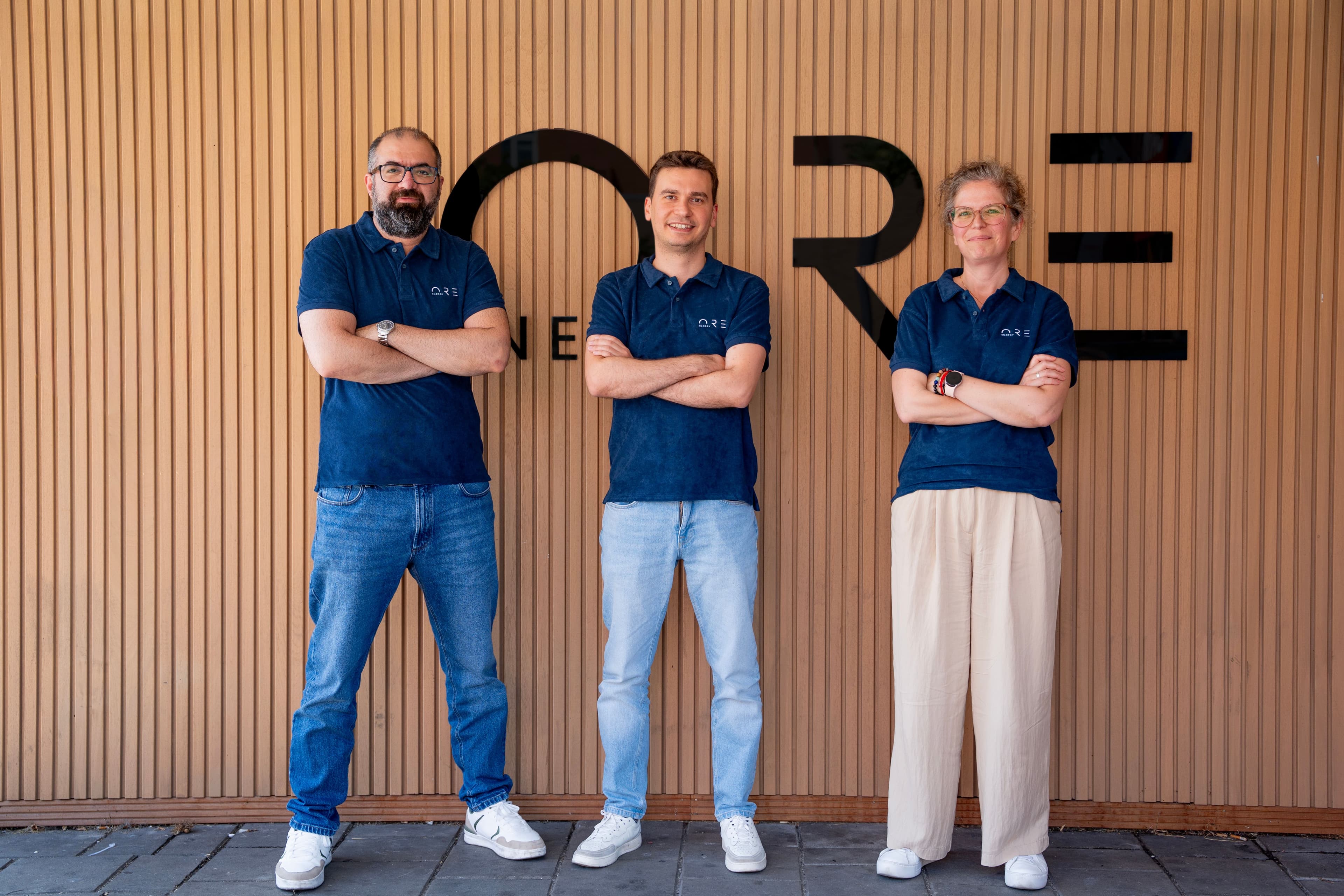
Ore Energy, based in Amsterdam and founded by Aytac Yilmaz, Rutil Özdemir and Yaiza Garcia, is building iron-air batteries capable of storing renewable energy for far longer periods. That means we stop throwing energy away, renewable power can run the grid more efficiently and stably, and our dependence on fossil fuels all but disappears, making energy a much more affordable commodity.
Burning cash and burning fuel
There is a strange, avoidable inefficiency sitting at the heart of the energy transition. Wind and solar are the cheapest way to generate electricity, but an extremely expensive way to supply it, because we haven't solved storage at the duration that actually makes them dependable to the grid.
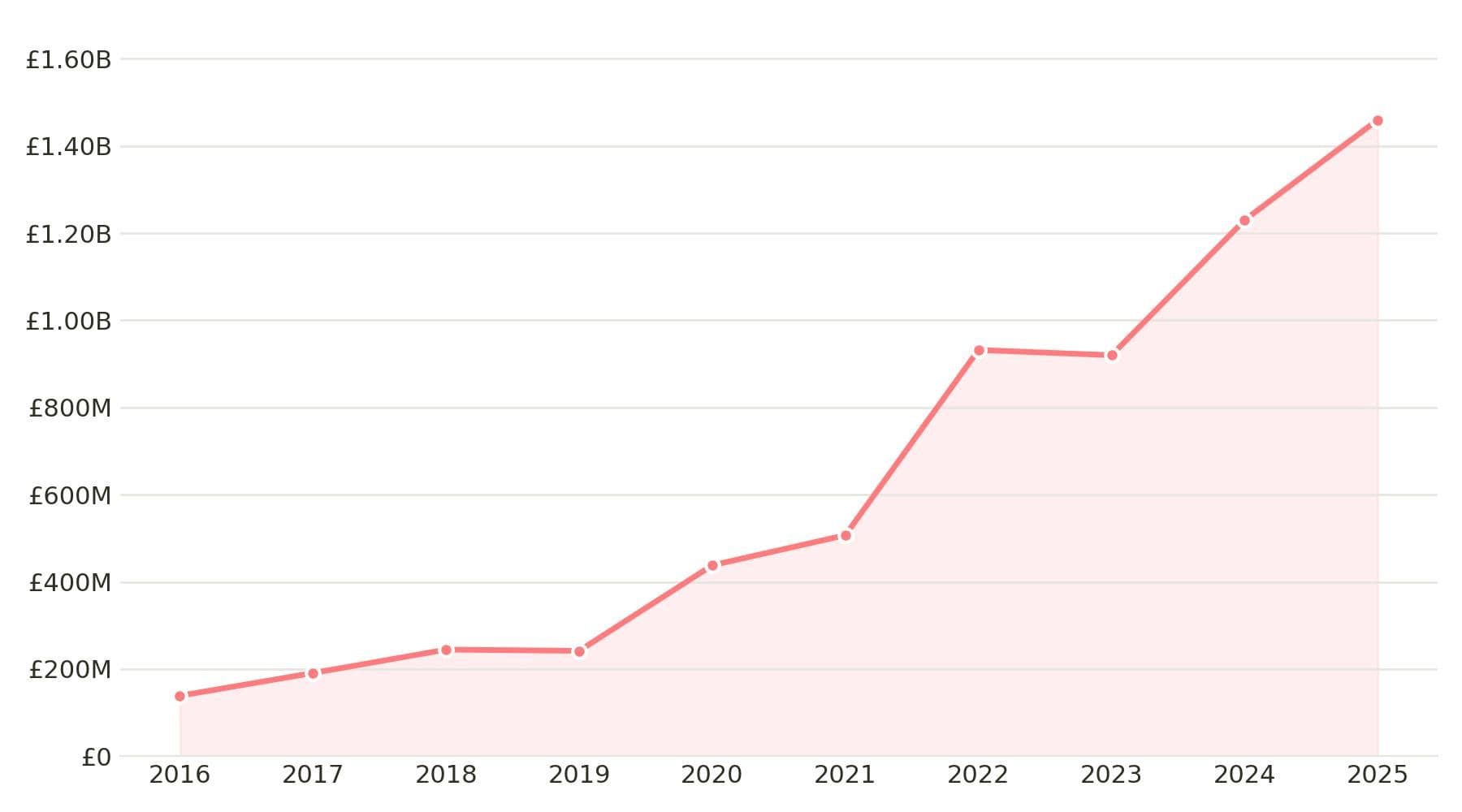
In the UK, we've spent over £6 billion since 2016 paying wind farms to switch off when they’re producing more energy than the grid can handle. We then turn around and pay to switch on gas plants - the most expensive form of power we have - to keep the lights on and power running in the meantime. Gas is also what sets the price everyone pays for electricity, so this daily flip-flopping, known as curtailment, between too much and too little renewable power doesn't just waste clean energy, but keeps bills much higher than they need to be.
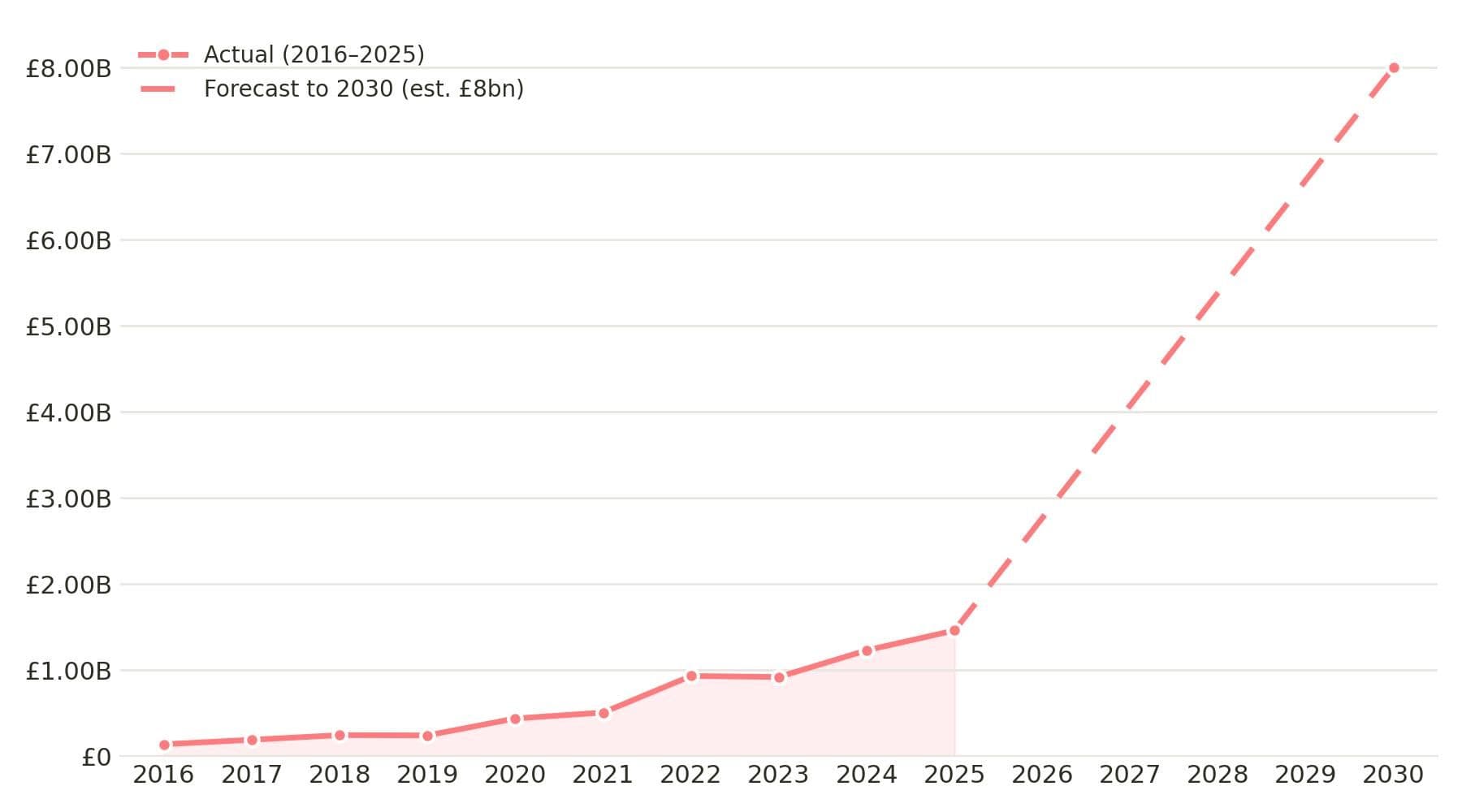
This is only forecast to worsen. Octopus Energy estimates that curtailment will cost the UK £8 billion per year by 2030. To put that into perspective, you could use £8 billion to pay about 216,000 nurses' salaries for a year, or to build about 40,000 affordable homes or 9 major hospitals. You could allocate it to something meaningfully less glamorous and you’d still be resolving nearly half the entire national road-repair backlog. Essentially any other use of this money would be better than the way we’re spending it today.
This is taking place across most European countries - some back of the envelope maths indicates Spain has spent about €13 billion on curtailment in an equivalent period, and Germany just shy of €6 billion.
Ore has modelled what integrating iron-air storage does to UK's 2040 grid, and the effect compounds: because you no longer need to over-build renewables to compensate for the energy that you can't store, the UK would need roughly 69 GW less solar and wind capacity than otherwise planned - around a third less than it’d need without Ore. That alone is worth an estimated €26.1 billion a year in avoided investment and operational cost, a 43% cut to total system cost, on top of reducing curtailment by around 23%. Ore's modelling suggests this could lower UK's overall electricity costs by 20-25%.
Please, sir, can I have some Ore?
Ore Energy, spun out of TU Delft in 2023, builds batteries that store electricity by rusting iron - and get it back by unrusting it.
The batteries are built from iron, water and air - materials that are abundant, inexpensive and don't require a single gram of lithium or cobalt. That means Ore's entire supply chain can sit inside Europe, with zero dependence on Chinese battery cells or on Russian gas.
Ore's batteries can hold power for up to 100 hours. This duration is what turns a wind or solar farm from a source of volatile power into something that behaves, from a grid operator's perspective, more like a gas plant: a firm, dispatchable baseload, but renewable and roughly ten times cheaper than lithium-ion at this duration.
While iron-air isn't a completely new idea, having access to abundant raw materials doesn't make for an easy engineering problem. Semiconductors are ultimately made of sand, but that doesn’t mean that anyone with access to sand is sitting on top of a trillion dollar company. Ore's achievement is the same shape: iron and air are abundant and inexpensive, but it’s extremely hard to configure them into a battery that actually works.
Ore's engineering path is different, and it traces back to Aytac's own research into corrosion. Its approach is the best suited to accelerated manufacturing, which has allowed the company to move incredibly quickly and accomplish a lot within a short space of time. It will also permit Ore to scale a factory very quickly and at relatively low cost, which is an important bottleneck in this industry.
Just a few years on from its inception, Ore has already signed a 1 GWh deal with the Dutch utility Budget Thuis, and is running pilots with EDF in France. European energy giants don't usually take bets like this lightly.
Execution-first DNA
Aytac, Ore’s co-founder and CEO, thinks about humanity's potential as a function of the energy we're able to harness - the Kardashev scale, more or less - and believes decarbonisation is how we get there without cooking the planet in the process. This is a deep, long-held conviction and is partially why he ended up studying corrosion in the first place.
What I like just as much is the culture Aytac has built with his co-founders, Rutil and Yaiza. It's unpretentious and it's fast - their instinct is to focus on building and let their execution speak for itself. The get-it-done mindset I see at Ore reminds me of Proxima in its early days, and is the kind of trait I'm really drawn to as an investor. It's also why Ore has accomplished so much and been able to hire battery experts like Northvolt-trained factory engineering lead, Axel Save, to be part of this mission.
Getting Europe a piece of AI
There are two reasons this kind of buildout is so important: firstly, for countries to hit their decarbonisation targets, they all need to be adding many more terawatts of renewable energy to their grids. Secondly, thanks to AI, the amount of power we’re using, renewable or not, is rising quickly, and without more energy, we’ll soon run out of bandwidth to keep progressing technologically.
Part of the reason Europe hasn’t been able to enjoy as much economic growth from AI is because of how expensive energy is here. While renewables are much cheaper than fossil fuels, thanks to today’s storage constraints, they’re too volatile to power data centres. As a result, we risk the compute buildout taking place elsewhere, and Europe getting locked out of an enormous economic opportunity.
If you want to power the data centres that AI needs, the dominant playbook right now is Elon's: you buy a fleet of gas turbines and switch them on fast. It’s expensive, and moves us further from decarbonisation. Alternatively, you can wait for the day where we have successfully built data centres in space.
I think there's a third path, and it's the one Europe is best positioned to build: renewable power paired with long-duration storage, which gets you speed, cost and decarbonisation all at once instead of trading one off against the others. Europe has the wind resource, the industrial metallurgy heritage and the political will to actually act on climate that’s harder to find elsewhere right now.
The real reward here is not just saving the billions we currently spend on curtailment, as big as that is. It’s that this opens an entirely new door for European economies: a credible way to build and power the data centre capacity that AI needs, on our own terms, without importing gas we don't produce or accepting a permanent cost or speed disadvantage to building the same data centre in Memphis.
To successfully design and manufacture long-duration storage batteries will give us another economic edge - every single market in the world will benefit from these batteries and they therefore have the potential to become an enormous export.
My back-of-envelope maths indicates that to fully complement renewables at global scale you'd eventually need something in the order of an exowatt hour of iron-air storage. To put that into perspective: an exowatt is a thousand terawatts - more than a hundred times the world's total electricity generating capacity today, across every source combined. This scale would meaningfully lower the cost of energy. Wind paired with Ore's batteries comes in at roughly €43-85 per MWh for firm, round-the-clock power, against €126-242 per MWh for the gas-based alternatives - including gas with carbon capture. No battery company has ever operated at that scale.
Ore’s batteries are the missing jigsaw piece that will reconcile hard trade-offs between decarbonisation and prosperity. By enabling us to squeeze the most value we can out of wind and solar, the company has the potential to be one of most important energy technology companies ever created.